The Ultimate Guide to Professional Hardscape Installation for Your Property
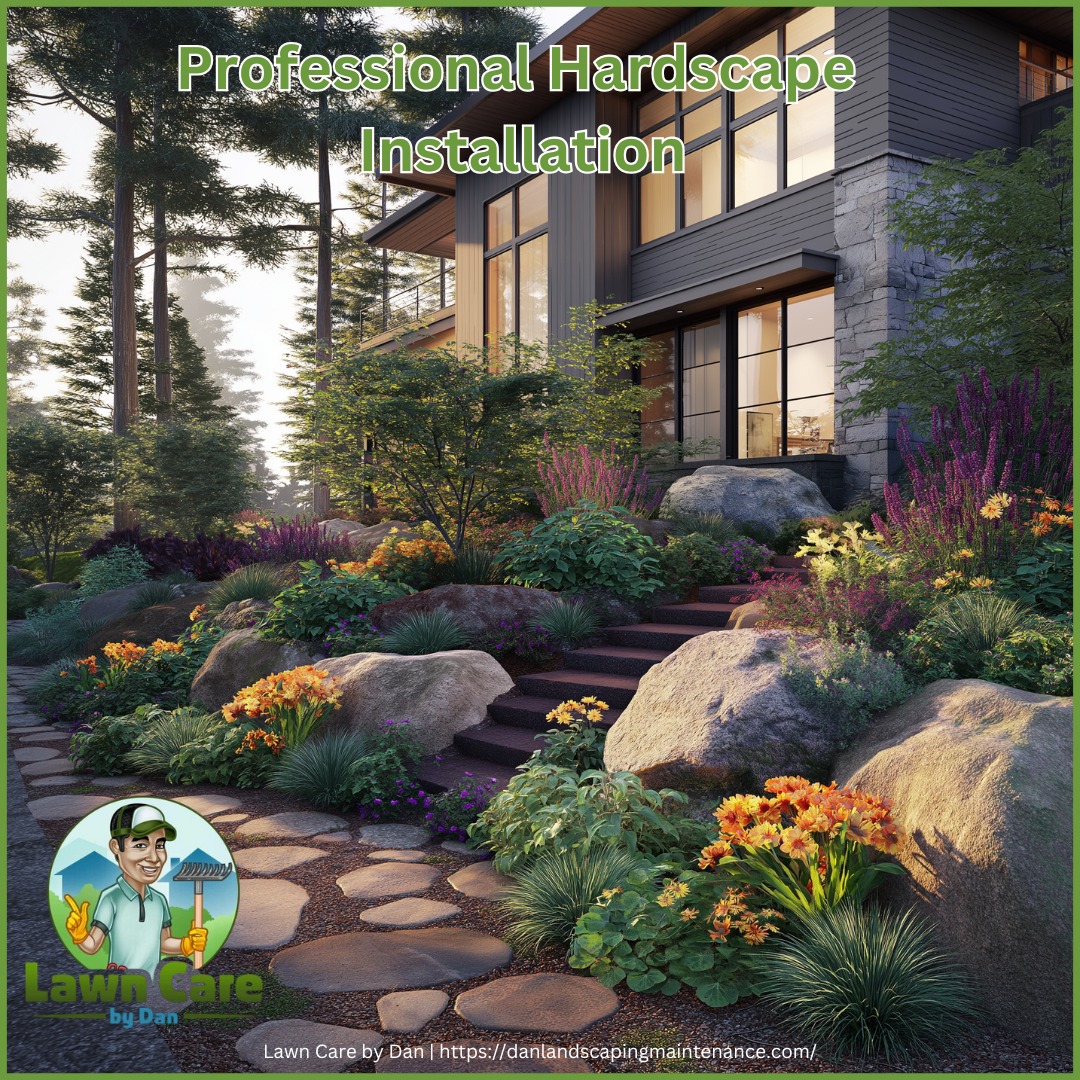
Hardscape installation transforms outdoor spaces by strategically placing permanent structural elements that deliver functionality, beauty, and long-term value to residential properties.
This comprehensive construction process involves careful planning, appropriate material selection, and skilled execution to create durable outdoor living spaces that complement existing landscaping and enhance curb appeal for decades to come.
What Elements Are Included in Comprehensive Hardscaping Projects?
Knowing what hardscaping includes helps you plan an outdoor space where everything works well together.
Paving and Surface Installation
Professional paver installation creates durable surfaces for patios, walkways, and driveways that withstand heavy use and weather extremes. Quality pavers offer design flexibility through a range of colors, textures, and laying patterns that complement architectural styles. Proper paving techniques include base preparation, edge restraints, and joint materials that prevent shifting and weed growth over time.
Structural Elements and Support Systems
Retaining walls provide essential stability while creating level areas for outdoor living spaces. These structures require careful engineering to manage soil pressure and drainage. Professional stonework includes natural stone walls, decorative borders, and integrated seating that adds functionality while enhancing the garden’s aesthetic through expert masonry techniques.
Concrete Work and Foundation Elements
Concrete work encompasses everything from simple walkway installation to complex outdoor kitchen foundations. Modern cement mixing techniques include decorative finishes, integrated drainage, and reinforcement that ensures long-term structural stability. Professional foundation work considers expansion joints, curing requirements, and surface treatments that protect against weather damage.
How Do You Balance Hardscape and Softscape Elements?
The best outdoor spaces combine hardscape features with plants that complement each other, creating a cohesive landscape.
Integration with Garden Maintenance
Well-planned installations consider ongoing garden maintenance requirements when positioning hardscape elements. This includes providing adequate access for irrigation systems and equipment while creating defined edges that simplify plant care. Strategic placement supports sustainable gardening practices by directing water flow and preventing soil erosion.
Plant Selection and Landscape Architecture
Professional landscape architecture integrates hardscape features with thoughtful plant selection that complements stone textures, colors, and forms. This approach ensures year-round visual interest while supporting practical functions such as privacy screening and microclimate control. Proper planning accommodates mature plant sizes and growth patterns.
What Construction Techniques Ensure Long-Term Durability?
How your hardscape gets installed makes a huge difference in how long it lasts and how well it performs – good prep work and installation really matter.
Masonry and Bricklaying Excellence
Expert masonry work requires an understanding of material properties, mortar selection, and jointing techniques that create weather-resistant bonds. Bricklaying for pathways, patios, and decorative elements demands precision in leveling, spacing, and finishing. Some projects incorporate carving and sculpture elements that add artistic touches to functional installations.
Drainage Systems and Erosion Control
Comprehensive drainage systems prevent water accumulation that can undermine installations and create safety hazards. Professional contractors implement erosion-control measures to protect both hardscape investments and surrounding plantings. Proper grading ensures water moves efficiently away from structures while supporting irrigation system functionality.
How Do Patios and Outdoor Living Areas Maximize Property Value?
Smart patio design gives you more usable living space that flows from your home while boosting your property’s appeal and value.
Patio Design and Space Planning
Effective patio design considers traffic flow, furniture placement, and connections to interior spaces when determining size and layout. Professional installations accommodate outdoor furniture arrangements while providing adequate circulation space. Integration with decking areas can create multi-level entertainment zones that serve different functions.
Pergolas and Architectural Features
Pergola installation adds vertical interest while providing partial shade and structure for climbing plants. These architectural elements help define outdoor rooms and create intimate spaces within larger landscape designs. Professional construction ensures adequate structural support for the pergola framework and any additional features, such as lighting or fans.
What Role Do Driveways Play in Overall Landscape Design?
Driveways are significant hardscape investments that affect both functionality and first impressions for residential properties.
Material Selection and Installation
Driveway installation requires careful consideration of traffic loads, climate conditions, and aesthetic compatibility with home architecture. Options range from traditional concrete and asphalt to decorative pavers and natural stone. Professional installation includes proper base preparation, drainage integration, and surface finishing that ensures long-term performance.
Curb Appeal and Property Integration
A well-designed driveway boosts your home’s curb appeal by choosing the right materials and ensuring everything complements your existing landscaping. This includes coordinating colors and textures with other hardscape elements while ensuring smooth transitions to pathways and walkways. Strategic landscaping along driveway edges softens hard edges while defining property boundaries.
How Do You Coordinate Multiple Hardscape Elements?
When you have multiple hardscape features going in, everything needs to work together so your outdoor space feels unified and flows well.
Retaining Wall Integration
Retaining wall construction often serves multiple functions, from soil stabilization to creating seating areas and defining space boundaries. Professional installation takes into account how walls will interact with other hardscape elements, such as patios and walkways. Proper coordination ensures consistent materials and finishes throughout the project.
Walkway and Pathway Connectivity
Good pathway design connects your outdoor spaces in ways that make sense for everyday use and when you’re hosting guests. Professional installations consider grade changes, lighting requirements, and maintenance access when routing pathways through landscape areas. Consistent materials and construction methods create unified appearances.
What Maintenance Strategies Protect Your Investment?
Knowing what maintenance your hardscape needs helps protect your investment and keeps everything looking and working great.
Regular cleaning removes organic debris and prevents staining that can detract from appearance. This includes power-washing concrete surfaces and resanding paver joints as needed. Professional maintenance schedules address both immediate needs and long-term preservation requirements.
Seasonal inspections identify potential problems before they require major repairs. This includes checking the drainage function, monitoring for settling or movement, and promptly addressing minor damage to prevent escalation.
Planning Your Successful Hardscape Installation
Professional hardscape installation creates permanent outdoor improvements that enhance daily living and add substantial property value through the expert integration of pavers, stonework, concrete features, and supporting elements.
Experienced contractors ensure projects meet both aesthetic and performance requirements, from the initial landscape design consultation through the final installation and finishing details.
Frequently Asked Questions
How long does hardscape installation typically take?
Most residential projects take 1-3 weeks, depending on size and complexity, though weather can affect timelines.
What’s the difference between hardscape and softscape?
Hardscape includes permanent features like patios, walkways, and retaining walls, while softscape refers to plants, trees, and grass.
Do I need permits for hardscape installation?
Permits may be required for retaining walls over certain heights, electrical work, or major drainage changes. Your contractor should handle permit applications.
How much does hardscape installation cost?
Costs vary widely based on materials and project scope. Basic paver patios start around $15-20 per square foot, while complex stonework can cost $30-50+ per square foot.
When is the best time to install hardscaping?
Spring and fall offer ideal weather conditions, though professional contractors work year-round except during extreme weather.
How do I maintain my new hardscape features?
Regular cleaning, occasional re-sanding of paver joints, and prompt repair of any damage will keep your hardscape looking great for decades.
The post The Ultimate Guide to Professional Hardscape Installation for Your Property appeared first on Lawn Care By Dan Paver Patios.
from Landscaping Blog - Lawn Care By Dan Paver Patios https://danlandscapingmaintenance.com/the-ultimate-guide-to-professional-hardscape-installation-for-your-property/


Comments
Post a Comment